How to Plan an Outdoor Advertising Campaign: Media Buying 101
Introduction
In today’s competitive environment, visibility is paramount for Indian brands. Outdoor advertising can significantly enhance local visibility, but many advertisers struggle with how to plan an effective campaign. A well-structured outdoor advertising campaign can meet consumer needs and achieve marketing objectives efficiently. However, poorly conceived strategies can lead to wasted budgets and missed opportunities.
This ultimate guide will unravel the complexities of OOH media planning, offering insights on how to craft a robust outdoor campaign strategy.
Understanding OOH Advertising
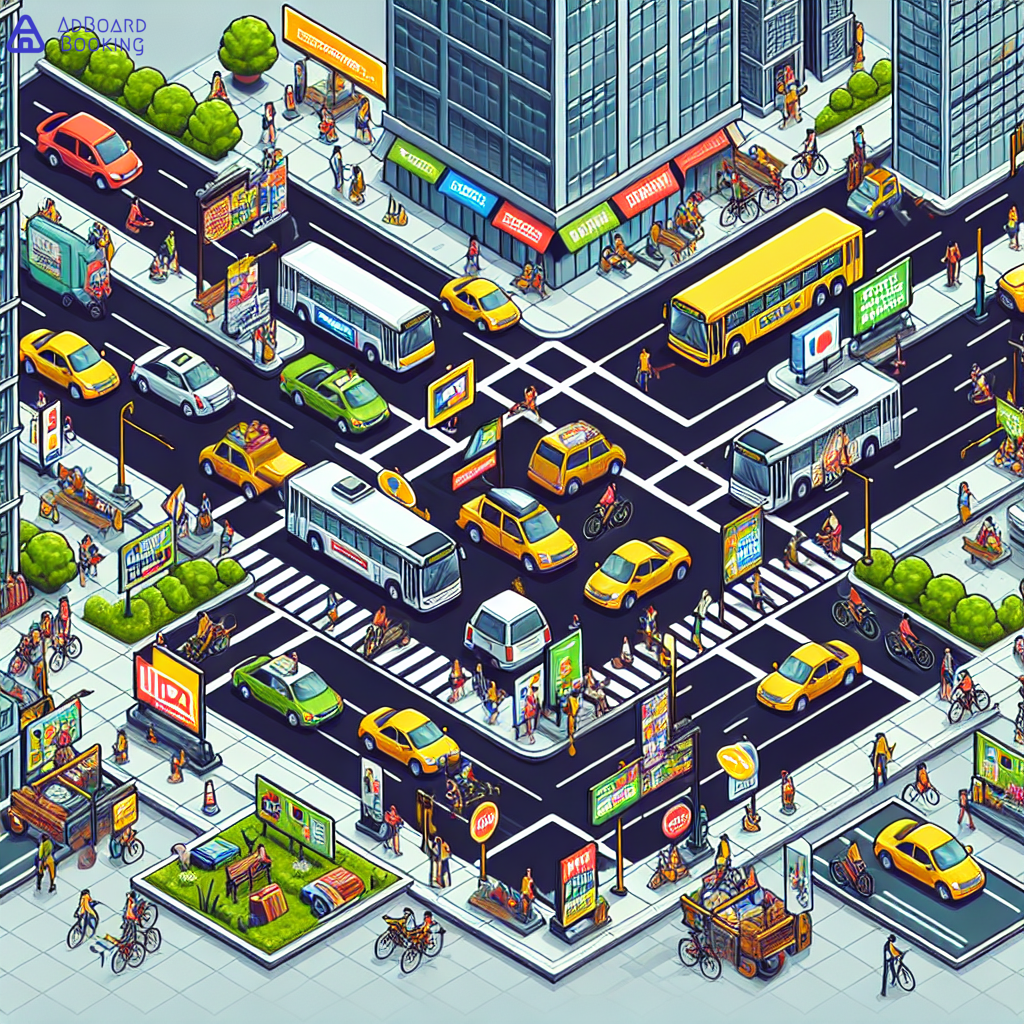
Outdoor advertising encompasses various formats, including billboards, street furniture, transit ads, and more. Each type has unique characteristics and benefits.
Key Billboard Types in India
- Static Billboards: Traditional printed advertisements displayed on large panels, often found on highways and streets.
- Digital Billboards: Electronic displays that can showcase multiple ads over a single space, offering dynamic and eye-catching content.
- Transit Advertising: Advertisements placed on public transport, including buses, trains, and taxis, which can reach commuters effectively.
- Street Furniture: Ads placed on bus stops, kiosks, or benches, providing local targeting and community engagement.
Planning Your Outdoor Advertising Campaign
Step 1: Define Your Goals
Setting clear objectives is the foundation of any campaign. Are you aiming to increase brand awareness, promote a product launch, or drive traffic to your store? Your goals will guide decisions throughout the planning process.
Step 2: Know Your Audience
Understanding your target audience is crucial in crafting a successful outdoor campaign. Use demographic and psychographic data to pinpoint who you want to reach and where they spend the most time. Analyze data from:
- Surveys
- Focus Groups
- Social Media Insights
- Location-Based Apps
Step 3: Location Strategy
Choosing the right locations for your billboards is essential. Consider the following factors:
- Traffic Patterns: High-traffic areas like main roads and commercial districts tend to yield better visibility.
- Demographics: Ensure that your selected locations align with your target audience.
- Competitor Analysis: Evaluate competitors’ placements and strategize accordingly.
Cost Breakdown of Locations in India
- Local Roads: ₹25,000 – ₹60,000
- Main Roads: ₹80,000 – ₹2.5 lakh
- Premium Locations: ₹3 – ₹8 lakh+
Step 4: Create Compelling Creative
The creative aspect of your campaign can make or break your success. Invest in high-quality visuals and messaging that resonate with your audience. Key considerations include:
- Simplicity: Clarity is crucial in outdoor advertising, where viewers have only seconds to absorb the message.
- Branding: Ensure consistent branding across all platforms.
- Call to Action: Include a clear, direct call to action that prompts immediate response.
Media Buying in OOH Advertising
Step 1: Research and Select Vendors
Research available vendors and evaluate their inventory. Build relationships with billboard owners and media agencies to ensure transparency in pricing and contract terms. Look for:
- Companies with strong reputations
- Vendors who offer flexible booking options
Step 2: Negotiate the Best Deal
Once you’ve selected your vendors, negotiate rates and placement. Leverage your understanding of the market to secure favorable terms:
- Bulk Discounts: For multiple placements.
- Long-Term Contracts: If applicable.
Step 3: Finalize Your Media Plan
Draft a detailed media plan that includes all selected placements, creatives, timelines, and budgets. Set clear timelines and confirm deliverables with your vendors. This plan will help coordinate with all stakeholders involved in your campaign.
Measurement Challenges in Outdoor Advertising
Assessing the effectiveness of outdoor advertising can be complex, but modern techniques can provide insights into the campaign’s performance.
Key Metrics to Consider
- Impressions: Estimated reach based on traffic data and audience analysis.
- Engagement: Social media interactions and website visits resulting from the campaign.
- Sales Impact: Direct correlation between OOH ads and sales figures.
Technologies for Measurement
- Geolocation Tracking: Analyzing foot traffic and customer behaviors.
- Online Surveys: Gathering feedback on ad recall and consumer behavior.
Execution Realities in India
While planning provides a roadmap, execution can present a unique set of challenges:
- Regulatory Compliance: Ensure compliance with local regulations regarding outdoor advertising.
- Logistical Hurdles: Account for installation timelines and local infrastructure conditions.
- Weather and Environmental Factors: Fluctuating conditions can affect visibility and ad longevity.
Industry Evolution / Smarter Way Forward
The OOH advertising landscape in India is gradually evolving toward smarter, tech-driven solutions:
- Centralized Platforms: Advertisers increasingly prefer platforms that offer a holistic view of available inventory.
- Dynamic Campaigns: The ability to change ads in response to real-time data.
- Digital-Like Booking Experiences: Advertisers seek streamlined online booking resembling digital media buying.
One such platform facilitating this transition is AdBoard Booking. This operating system helps billboard owners manage listings and bookings effectively while simplifying the planning and purchasing process for advertisers and agencies. For more information, visit AdBoard Booking.
Conclusion
Planning an outdoor advertising campaign requires a strategic approach, combining knowledge of your audience, effective media buying, and execution realities in the Indian market. By following the steps outlined in this guide, advertisers can navigate the complexities of OOH advertising and ensure a successful campaign.
Embrace data, stay informed on industry trends, and utilize effective tools to make smarter decisions in OOH media planning.
Discover more from AdBoard Booking
Subscribe to get the latest posts sent to your email.
