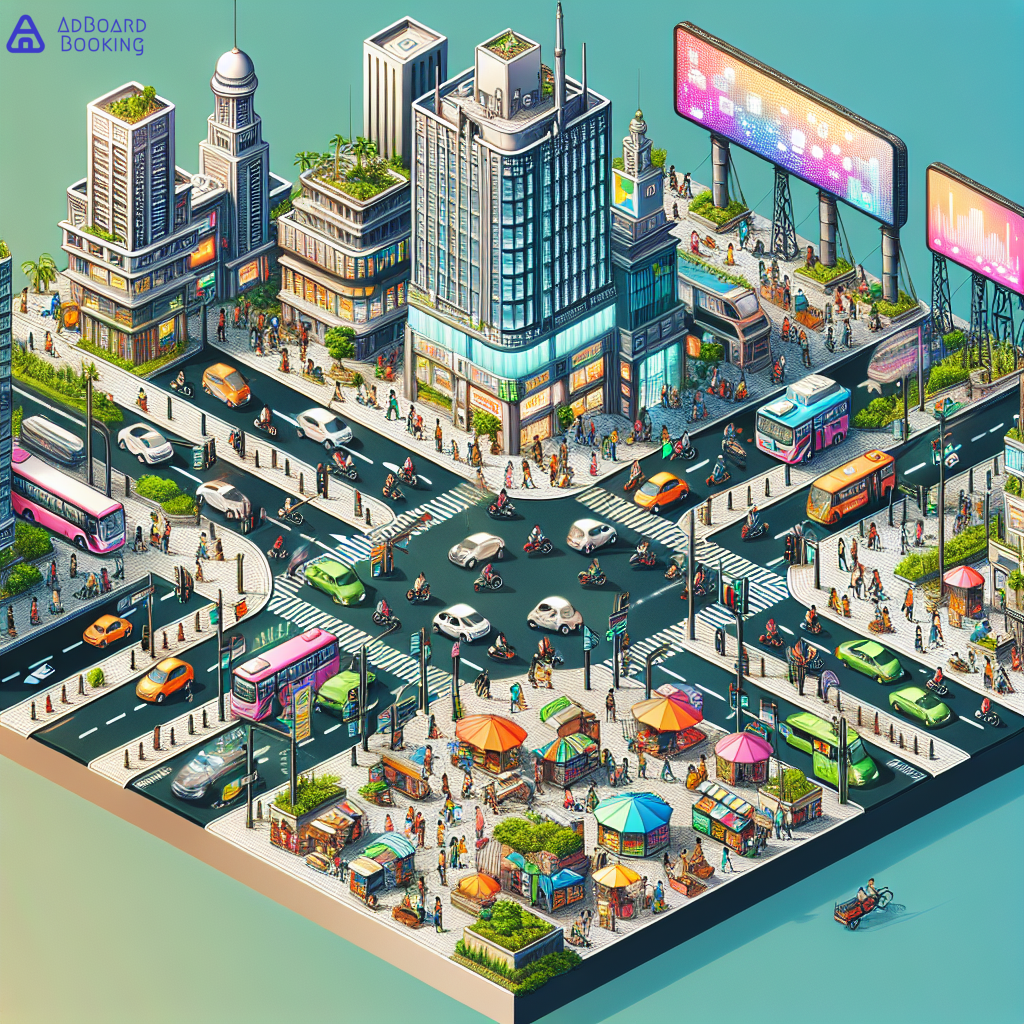
LED Billboard vs Static Hoarding: Cost, Impact & When to Use Each
Introduction
In recent years, outdoor advertising in India has evolved significantly, with businesses increasingly faced with choosing between LED billboards and traditional static hoardings. Both options have their merits and can effectively engage viewers, but determining the most suitable choice requires understanding the unique characteristics, costs, and impacts of each format.
A common scenario faced by Indian SMBs and D2C brands revolves around maximizing visibility against a backdrop of urban noise and competition. For instance, a new restaurant in Delhi may wonder whether an LED billboard on a busy street will deliver a higher return on investment compared to a static hoarding nearby. This article will provide a comprehensive comparison of LED billboards and static hoardings, equipping advertisers with the insights needed to make informed decisions.
Understanding LED Billboards and Static Hoardings
Before diving into the comparison, it’s vital to clarify what each format entails.
LED Billboards
LED (Light Emitting Diode) billboards are digital displays that project advertisements using vibrant electronic graphics. They are highly adaptable, allowing for dynamic content that can change based on the time of day or specific audience targeting strategies.
Static Hoardings
Static hoardings are traditional billboards that use printed posters or vinyl material. They typically showcase a single advertisement for a set duration, making them reliable yet less flexible than their digital counterparts.
Cost Comparisons
The cost structure for LED billboards and static hoardings can greatly influence the choice between the two. Below is a breakdown of typical pricing in the Indian market, particularly focusing on tiered locations like Delhi NCR.
LED Billboard Costs
- Local Roads: ₹1 lakh – ₹3 lakh per month
- Lesser footfall but potential for localized targeting.
- Main Roads: ₹3 lakh – ₹8 lakh per month
- High visibility and reach; effective for mass campaigns.
- Premium Locations: ₹8 lakh+ per month
- Ideal for brand launches and events, commanding prime viewership.
Static Hoarding Costs
- Local Roads: ₹25,000 – ₹60,000 for 4 weeks
- Budget-friendly; efficacious for local awareness.
- Main Roads: ₹80,000 – ₹2.5 lakh for 4 weeks
- Higher visibility in competitive environments.
- Premium Locations: ₹3 lakh+ for 4 weeks
- Cost-effective for long-term branding, particularly in high-traffic areas.
Summary of Cost Differences
Considering both pricing models, the key takeaway is that while LED billboards might be more expensive to install and maintain, their ability to deliver dynamic content can lead to greater returns on investment. Static hoardings, on the other hand, can be more budget-friendly for local businesses focused on brand permanence.
Impact Evaluation
The impact of your advertising campaign is crucial in determining how each format can be used effectively.
LED Billboards
- Dynamic Messaging: The ability to rotate and update messages means that businesses can tailor their content based on real-time events, weather conditions, or promotions, leading to potentially higher engagement rates.
- Visual Appeal: Bright colors and animated graphics tend to catch the eye more effectively than static prints, making it easier to draw attention.
- Analytics and Insights: Many LED installations can now integrate analytics to measure impressions and engagement, helping marketers refine their strategies over time.
Static Hoardings
- Consistency: The consistent presence of static billboards ensures ongoing exposure, which can be significant for brand recognition.
- Cost-Effectiveness: For advertisers on a tight budget, particularly in smaller markets or for local campaigns, static hoardings provide substantial coverage at a lower price point.
- Longer Viewing Time: Some studies indicate that static ads may be processed faster for immediate recognition when compared to digital ads that might require processing the screen content.
Summary of Impact Considerations
LED billboards may provide a stronger immediate impact due to their dynamic nature and vibrant displays, whereas static hoardings excel in building brand familiarity over time. The choice depends on the campaign objectives, target audience, and overall resources.
Audience Targeting
Strategically selecting locations for both LED and static advertisements plays an essential role in audience targeting.
LED Billboards
- Dynamic Targeting: By changing content based on the time of day, businesses can target specific demographics more effectively. For example, a coffee shop could run breakfast promotions in the morning and happy hour deals in the evening.
- Event-Based Extensions: Advertisers can align messages with events, festivals, or local happenings, providing a contextually relevant reach.
Static Hoardings
- Location-Specific Targeting: The effectiveness of static hoardings is heavily influenced by their placement. For instance, strategically located hoardings near schools may be effective for products targeting students.
- Long-Term Branding: Because static hoardings can often remain in the same location for extended periods, they foster repeat-viewing from local residents, which is vital for brand-building efforts.
Summary of Targeting Insights
Both types of advertising formats can be used to enhance audience targeting effectively. However, LED billboards present more dynamic and immediate options, while static hoardings offer reliability and longevity in a particular area.
Planning Considerations for Effective Execution
Effective OOH media planning is critical for maximizing the success of both LED billboards and static hoardings.
Common Planning Mistakes
- Inadequate Research: Conducting insufficient market research to identify the target audience and their behaviors can derail a campaign.
- Ignoring Location Traffic Patterns: Misunderstanding location traffic, such as peak hours or footfall, can lead to poor ad exposure.
- Static Messaging: Using static ads for limited-time deals when dynamic options are available can dilute marketing effectiveness.
- Budget Misallocation: Failing to balance the investment between premium placements and broader reach can limit campaign effectiveness.
Best Practices
- Utilize Data Analytics: Leverage audience behavior analytics to place your billboards in high-traffic areas and optimize content type.
- Adapt Content for Location: Tailor messages based on location demographics or even seasonality to create more engaging content.
- Monitor Competitor Activity: Stay informed about what similar businesses are doing regarding OOH placements to develop counter-strategies.
Summary of Planning Insights
Successful campaigns hinge on thorough research and strategic planning. Each billboard type presents unique opportunities; understanding these can result in significantly increased visibility and engagement.
Measuring Success
Measuring the effectiveness of advertising campaigns is essential for determining ROI and future strategies.
Challenges in Measurement
- Imprecise Metrics: Unlike digital advertising, where impressions and clicks can be easily tracked, measuring the success of outdoor advertising often relies on indirect metrics.
- Attribution Attribution: Determining whether a sale came as a direct result of a particular billboard can be challenging without qualitative feedback or dedicated mechanisms in place.
Potential Solutions
- Utilize QR Codes: Include QR codes that link to promotions or websites, allowing advertisers to track direct interactions from the billboard ads.
- Conduct Surveys: Engage with customers to check how they heard about a product or service to gauge ad impact.
Summary of Measurement Strategies
While measuring the success of OOH campaigns presents challenges, incorporating modern technologies like QR codes can bridge the gap and indicate the effectiveness of both LED and static formats.
Industry Evolution: The Smarter Way Forward
The outdoor advertising landscape in India is undergoing a transformation towards more centralized platforms and digital-like booking experiences. Advertisers can expect:
- Centralized Platforms: A move towards systems that provide comprehensive data, allowing advertisers to choose the best placements efficiently.
- Advanced Planning Tools: Emerging planning tools that improve OOH media planning processes are simplifying the campaign creation process for both publishers and advertisers.
- Streamlined Booking: The preferences of modern advertisers lean towards platforms that provide seamless online booking experiences.
AdBoard Booking
One of the emerging solutions within this landscape is AdBoard Booking, a full operating system for outdoor advertising, offering a CMS + CRM for billboard owners to manage listings and bookings. This platform provides a simple digital-like experience for advertisers and agencies to discover, plan, and book billboards online, constituting a vital tool for contemporary OOH media planning.
Learn more about AdBoard Booking here.
Conclusion
When considering LED billboards versus static hoardings, businesses in India must weigh their advertising objectives against cost, impact, targeting, and measurement metrics. While LED billboards command a premium price and offer flexible messaging options for dynamic campaigns, static hoardings remain a cost-effective means of establishing brand presence in localized markets.
Ultimately, the most effective choice will depend on the specific goals of the campaign, the target audience, and the available budget. As outdoor advertising continues to evolve, embracing smarter planning tools and centralized platforms will facilitate more informed decisions and optimized outcomes in future advertising ventures.
Discover more from AdBoard Booking
Subscribe to get the latest posts sent to your email.
