Transit Advertising in India: Buses, Metro, Auto & Cab Branding Guide
Introduction
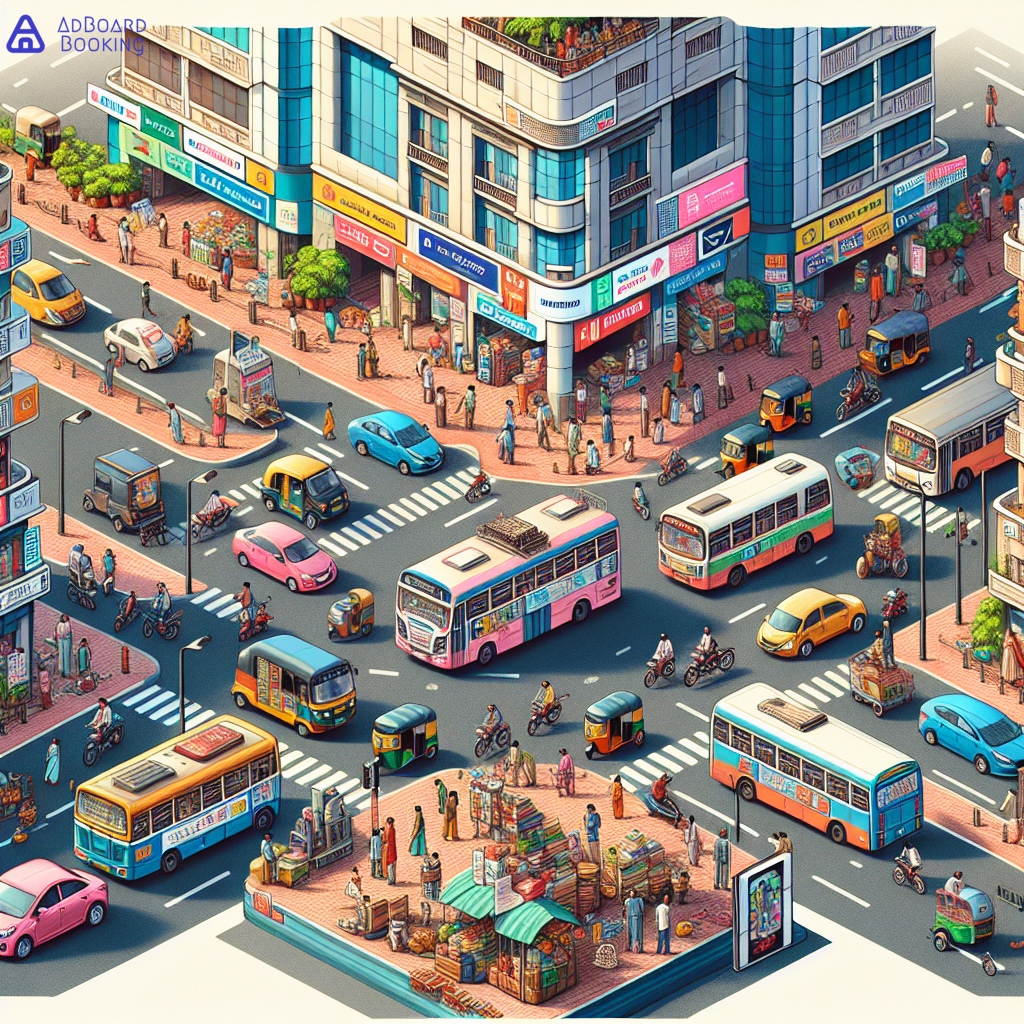
In the bustling cities of India, the rush of daily commutes presents a unique visibility challenge for brands. With millions of commuters navigating through crowded public transit systems, advertisers have the opportunity to capture attention like never before. Transit advertising in India—encompassing buses, metros, autos, and cabs—offers a dynamic way to connect with consumers throughout their daily routines. Yet, navigating the world of transit advertising requires understanding the nuances of each medium, strategic planning, and a budget that aligns with the target audience.
This ultimate guide will break down the types of transit advertising available in India, showcase effective strategies, provide cost insights, and help advertisers optimize their campaigns for maximum impact.
Types of Transit Advertising
Transit advertising can be categorized into several primary types, each with its own advantages and challenges.
1. Bus Advertising
- Types of Ads:
- Full Wraps: Entire bus is covered, creating a large canvas for branding.
- Side Panels: Advertisements on both sides, offering visibility to traffic.
- Back Panels: Ads displayed on the rear of buses, visible to those following behind.
- Interior Ads: Posters inside buses, engaging passengers during their ride.
- Advantages:
- Captivates audiences over large areas as buses travel key routes.
- High-impact visibility due to size and motion.
2. Metro Advertising
- Types of Ads:
- Station Branding: Large posters and panels in stations that reach waiting passengers.
- Train Wraps: Total wrap advertising on metro trains, creating immersive branding.
- Digital Screens: LED and LCD screens displaying ads in upscale metro stations.
- Advantages:
- Targets urban commuters, often in a hurry, ensuring maximum exposure.
- Digital screens allow for dynamic content and timely promotions.
3. Auto Advertising
- Types of Ads:
- Vinyl Wraps: Full-body wraps or partial wraps on auto rickshaws.
- Top Signage: Eye-catching signs on the tops of autos, visible from afar.
- Interior Ads: Promotional materials inside autos for passengers.
- Advantages:
- Reaches densely populated neighborhoods not covered by buses or metros.
- Highly mobile, allowing brands to engage different audiences throughout the day.
4. Cab Branding
- Types of Ads:
- Full Wraps: All-around graphics that deliver a unified message.
- Digital Advertising: Screens installed in the back seat, engaging passengers with ads.
- Interior Panels: Ads on the back of seats that passengers can see during their ride.
- Advantages:
- Targets a specific demographic, often tech-savvy professionals.
- Provides extended contact times, especially with passengers during rides.
Location Strategy
Identifying the right placement for transit advertising is crucial for successful campaigns. Consider the following factors:
- Foot Traffic: High-density areas such as busy intersections, marketplaces, and near office complexes.
- Commuter Routes: Track major bus and metro routes and target areas that experience significant daily footfall.
- Demographics: Understand the commuting patterns and profiles of your audience. For instance, metro advertisements may appeal more to urban professionals, while bus routes could target students and working-class commuters.
Audience Targeting
Creating effective transit advertising requires you to understand and segment your audience based on their transit habits:
- Urban Professionals: Often travel via metros or cabs; seek ads that resonate with their lifestyle and needs.
- Students: Primarily use buses and metro; ads focused on education, lifestyle, and entertainment work well.
- Local Residents: Target those who regularly use autos, particularly in residential areas.
Using consumer data analytics can enhance audience targeting, allowing for more personalized messaging that resonates with commuters.
Planning Mistakes to Avoid
Advertisers new to transit advertising often make common oversights, including:
- Ignoring Local Regulations: Each city has unique advertising regulations. Ensure compliance to avoid penalties.
- Underestimating Competition: Research competitors’ campaigns to differentiate your message.
- Not Utilizing Data Analytics: Failing to analyze performance metrics can lead to wasted budgets.
Cost Breakdown
Understanding your budget is critical to creating effective transit ads. Here’s a general idea of what you can expect in India:
- Bus Advertising:
- Local routes: ₹25,000 – ₹60,000 for basic ads.
- Major roads: ₹80,000 – ₹1.5 lakh for more prominent placements.
- Metro Advertising:
- Station branding: ₹2 lakh – ₹5 lakh depending on the prominence and foot traffic.
- Digital screens: ₹3 lakh – ₹8 lakh+, depending on display times and reach.
- Auto Advertising:
- Vinyl wraps: ₹15,000 – ₹30,000, depending on the design and scope.
- Cab Branding:
- Full wraps: ₹30,000 – ₹2 lakh, based on cab types and routes.
Measurement Challenges
Measuring the effectiveness of transit advertising isn’t straightforward. The following tips can help:
- Establish KPIs: Define clear key performance indicators such as impressions, reach, and engagement.
- Leverage Technology: Use GPS and data analytics to track movements and gather insights on audience exposure.
- Feedback Mechanisms: Encourage audience interaction through QR codes or SMS campaigns to assess campaign impact.
Execution Realities in India
While navigating the execution phase of transit advertising in India, be prepared for potential hurdles, such as:
- Logistical Challenges: Coordination with public transport authorities can be complex and time-consuming.
- Campaign Execution Delays: Check local factors such as festivals, strikes, or unexpected road closures that could affect advertising exposure.
- Creative Adaptations: Creative ads should consider local tastes and languages to resonate with the audience.
Industry Evolution / Smarter Way Forward
The future of transit advertising in India is evolving rapidly. Here’s what to expect:
- Centralized Platforms: Many agencies are moving toward platforms that streamline ad bookings across various mediums.
- Better Planning Tools: Data-driven insights enable brands to plan campaigns effectively and identify the right mix of transit advertising formats.
- Digital-like Experiences: Online booking experiences are becoming critical, making it easier for companies to manage their ad placements.
AdBoard Booking is a full operating system for outdoor advertising that offers a complete CMS and CRM for billboard owners. It simplifies the process, allowing advertisers and agencies to discover, plan, and book transit advertising online more easily. For more details, visit AdBoard Booking.
Conclusion
Transit advertising in India is a powerful way to capture the attention of commuters across various urban settings. By understanding the types of advertising, the audience, and effective planning strategies, brands can leverage transit platforms to maximize their exposure. It’s essential to navigate the complexities and costs associated with transit advertising while keeping abreast of the industry’s evolving dynamics.
Invest smartly, plan diligently, and create campaigns that resonate with your target audience to achieve your marketing goals through transit advertising.
Discover more from AdBoard Booking
Subscribe to get the latest posts sent to your email.
