What Is DOOH Advertising? The Future of Outdoor Media in India
Introduction
In a rapidly evolving advertising landscape, Digital Out-Of-Home (DOOH) advertising is transforming the way brands engage with consumers. Traditional billboard advertising, while still effective, is often limited in its ability to adapt to the dynamic needs of modern marketers. As India becomes increasingly urbanized and tech-savvy, the demand for innovative advertising solutions grows. This blog explores what DOOH advertising entails, its advantages, challenges, and how it symbolizes the future of outdoor media in India.
Understanding DOOH Advertising
What Is DOOH?
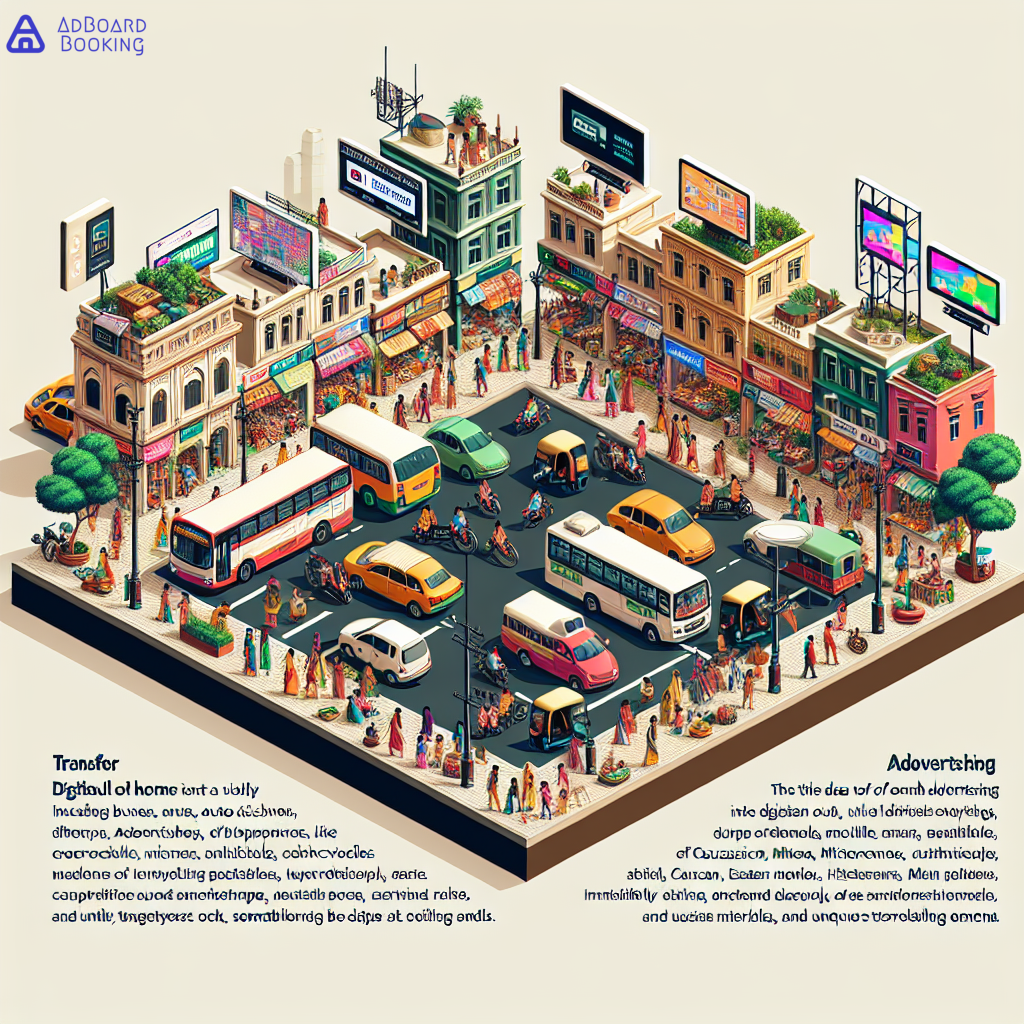
DOOH advertising refers to digital advertising displays found outside of the home, including digital billboards, screens in public transport areas, shopping malls, airports, and more. Unlike traditional static billboards, DOOH offers flexible and dynamic content capabilities.
Key Benefits of DOOH
- Real-Time Updates: Advertisers can update content in real-time, reacting to trends, weather, or other immediate factors.
- Enhanced Engagement: Dynamic visuals and interactivity can capture the attention of passersby more effectively than static images.
- Targeted Advertising: DOOH setups enable audience segmentation based on time, location, and demographics, allowing for targeted messaging.
The Evolution of Outdoor Advertising in India
Historically, outdoor advertising in India has predominantly relied on traditional methods like static billboards and hoardings. However, with the advent of technology, the landscape is changing:
- Adoption of Digital Screens: Urban areas are seeing an increase in the installation of digital billboards, particularly in locations with high foot traffic.
- Smart Infrastructure Development: Cities like Mumbai, Delhi, and Bangalore are embracing smart city initiatives, further integrating digital advertising into urban settings.
Types of DOOH Assets
Digital Billboards
Large-screen displays located in high-traffic areas, these billboards can rotate multiple ads and offer a vibrant display that instantly captures attention.
Interactive Kiosks
These allow consumers to engage directly with the brand, often featuring touchscreen capabilities for information, offers, and promotions.
Transit Advertising
Digital screens in buses, metros, and railway stations effectively reach commuters during their daily travel.
Location Strategy
Choosing the right location for your DOOH campaigns is crucial. Here are some considerations:
- High Foot Traffic Areas: Look for busy intersections, shopping malls, and transport hubs.
- Audience Demographics: Analyze the demographics of foot traffic in specific locations that align with your target audience.
- Visibility and Accessibility: Ensure that your ads are easily visible from a distance and accessible to your intended audience.
Audience Targeting
Targeting the right audience is vital for maximizing the impact of your DOOH campaigns:
- Dayparting: Change your messaging according to the time of day; for example, promote coffee in the morning and alcoholic beverages in the evening.
- Location-Based Targeting: Utilize data analytics to gain insights into audience behavior, tailoring content to specific consumer segments.
Common Planning Mistakes in DOOH Campaigns
Overlooking Analytics
Many advertisers fail to leverage available analytics. Understanding audience interactions with digital billboards can drive improved results in subsequent campaigns.
Neglecting Content Quality
Quality content is essential; poorly designed graphics can detract rather than attract. Invest in creative that aligns with your brand identity and resonates with viewers.
Ignoring Local Regulations
Be aware of local regulations regarding digital billboards. Each state in India may have different laws regarding content, placement, and timing of advertisements.
Cost Breakdown
Investing in DOOH advertising involves various cost factors, including:
- Digital Billboard Costs:
- Delhi NCR: ₹1.5 – ₹8 lakh per month depending on location and foot traffic.
- Mumbai: ₹2 – ₹10 lakh for high-impact areas.
- Production Costs: Creating high-quality digital content can also add to expenses, ranging from ₹20,000 – ₹1 lakh based on complexity.
- Programmatic DOOH Bidding: As programmatic buying grows, pricing can vary, but having a budget of ₹5,000 to ₹20,000 per day can help capture ad space in competitive locales.
Measurement Challenges in DOOH
Metrics that Matter
- Impressions: Although difficult to measure like digital clicks, you can use technologies like facial recognition and footfall analytics to gauge ad engagement.
- Engagement Rates: Measure how often viewers interact with displays (where applicable) and analyze the effectiveness of the media.
Integrating Analytics
Using data analytics platforms can help streamline the process of measuring effectiveness, allowing for better reporting and adjustments as needed.
Execution Realities for DOOH in India
Infrastructure Limitations
While major cities are rapidly adopting digital platforms, infrastructure in smaller towns may not yet support a wide rollout of DOOH solutions.
Competition and Fragmentation
With numerous players in the industry, it’s crucial to partner with reliable publishers and technology providers, ensuring quality and reach.
Industry Evolution and the Smarter Way Forward
The future of outdoor advertising is gravitating towards:
- Centralized Platforms: A growing number of companies are creating centralized platforms that allow advertisers to book and manage their ad spaces seamlessly.
- AI and Machine Learning: Technologies are being integrated for smarter audience targeting and content planning.
- Digital-like Booking Experiences: Platforms, like AdBoard Booking, are providing easy management for publishers and simplified booking for advertisers in a digital environment.
AdBoard Booking
AdBoard Booking is a comprehensive operating system for outdoor advertising, combining a content management system (CMS) and customer relationship management (CRM) software for billboard owners. It offers a simple, digital-like experience for advertisers and agencies to discover, plan, and book billboards online. It enhances the booking experience, making it user-friendly and efficient. Explore AdBoard Booking.
Conclusion
As the advertising landscape in India matures, DOOH advertising stands out as the future of outdoor media. Understanding its intricacies, benefits, and execution challenges can empower brands to make smarter decisions and connect better with their audiences. Embrace the digital evolution in outdoor advertising, focusing on effective planning and real-time engagement to drive business growth. With continued advancements in technology and infrastructure, the potential for DOOH in India is vast and promising.
Discover more from AdBoard Booking
Subscribe to get the latest posts sent to your email.
